
Skip to content
IGIM_wheel

WHAT IS THE IGIM?

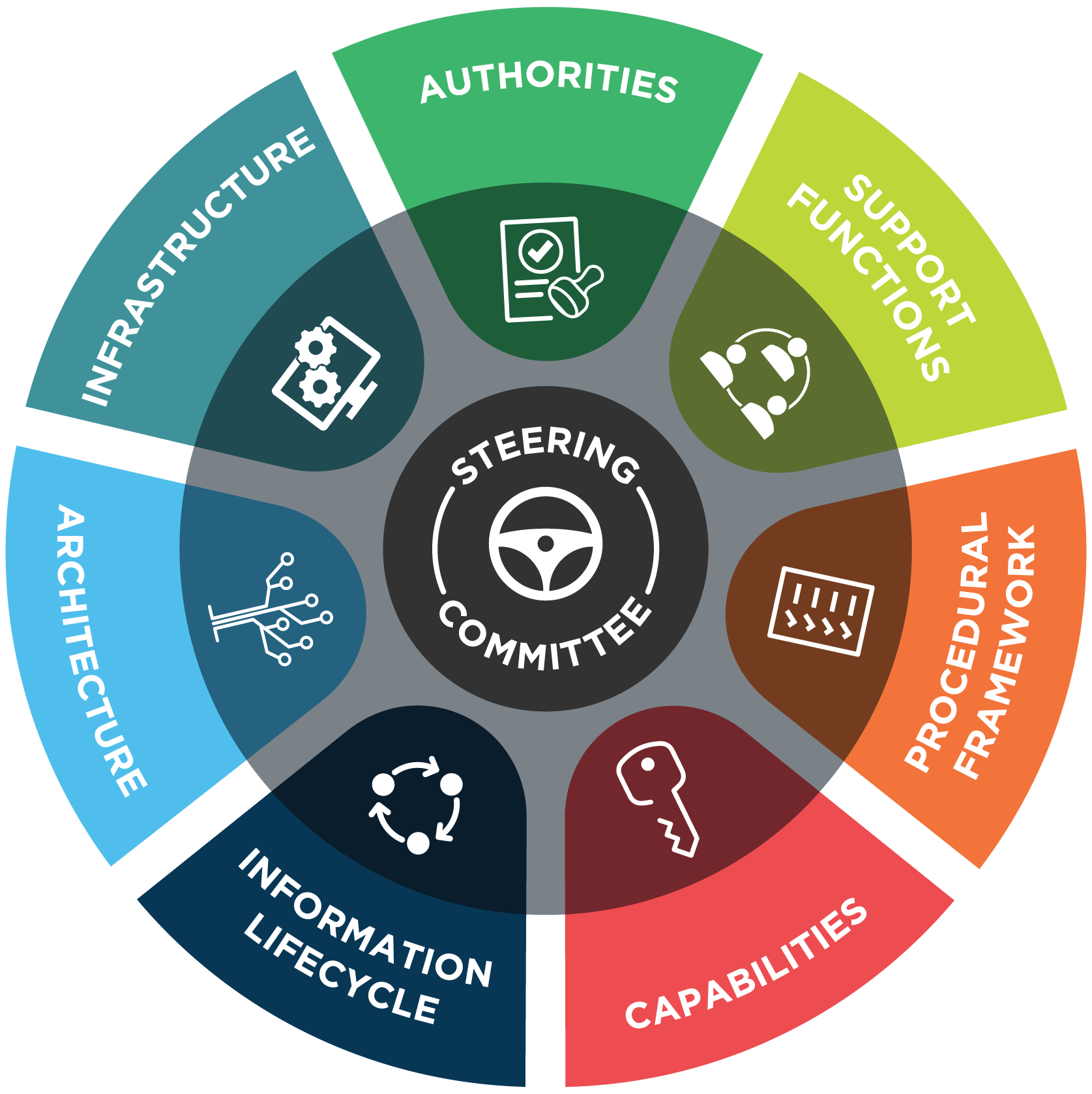
The ARMA Information Governance Implementation Model is a useful tool to connect the various stakeholders of information governance. From risk mitigation through to value generation, the ARMA Information Governance Implementation Model helps bring a common understanding and unified implementation series that bridges policy and technology through eight critical areas.

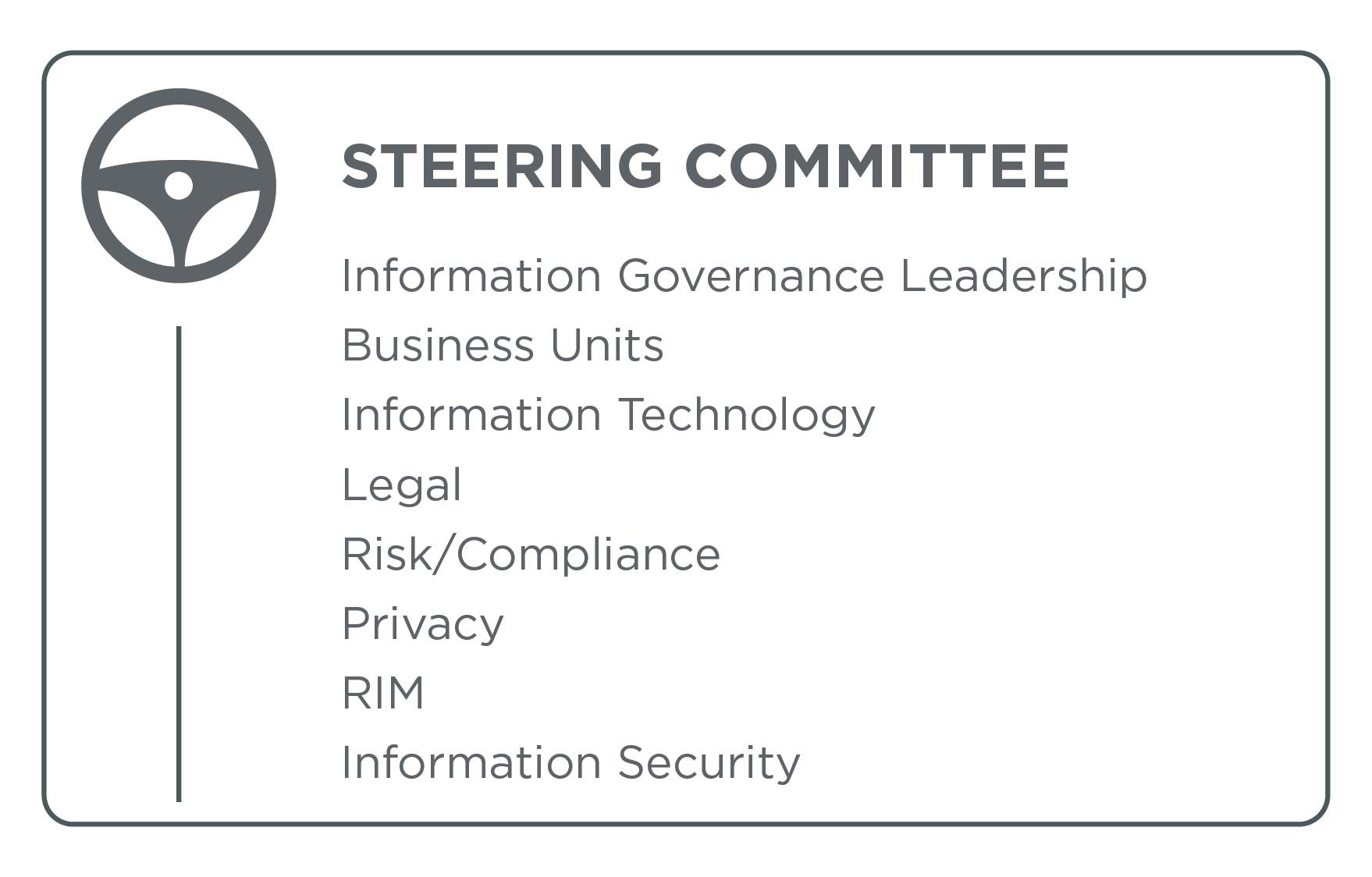
STEERING COMMITTEE

The Steering Committee is a formal, cross-functional group authorized by organizational leadership to guide the implementation and strategic goals of the Information Governance (IG) program. Typically led by an experienced executive (e.g., an Information Governance Professional or IGP), the committee includes representatives from critical disciplines such as Privacy, Information Security, Data Governance, Legal Discovery, Compliance, Information Technology, Records and Information Management, and other significant organizational areas (e.g., Human Resources, Audit, and key business functions). The composition of the committee should align with the organization’s specific goals and culture.
The Steering Committee establishes the organization’s IG priorities, sets expectations, measures success, and oversees resource allocation.


IGIM-Steering

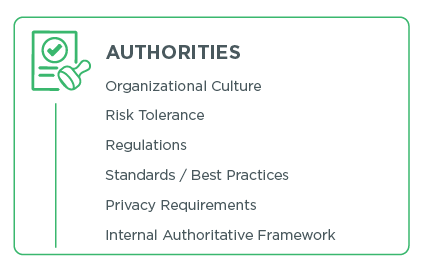
AUTHORITIES

Authorities encompass elements that exert guidance and influence within an organization including the rules, frameworks, and policies that govern IG decisions and practices. Authorities delineate the protocols for managing, protecting, and utilizing information within the organization.


Artboard 14_1

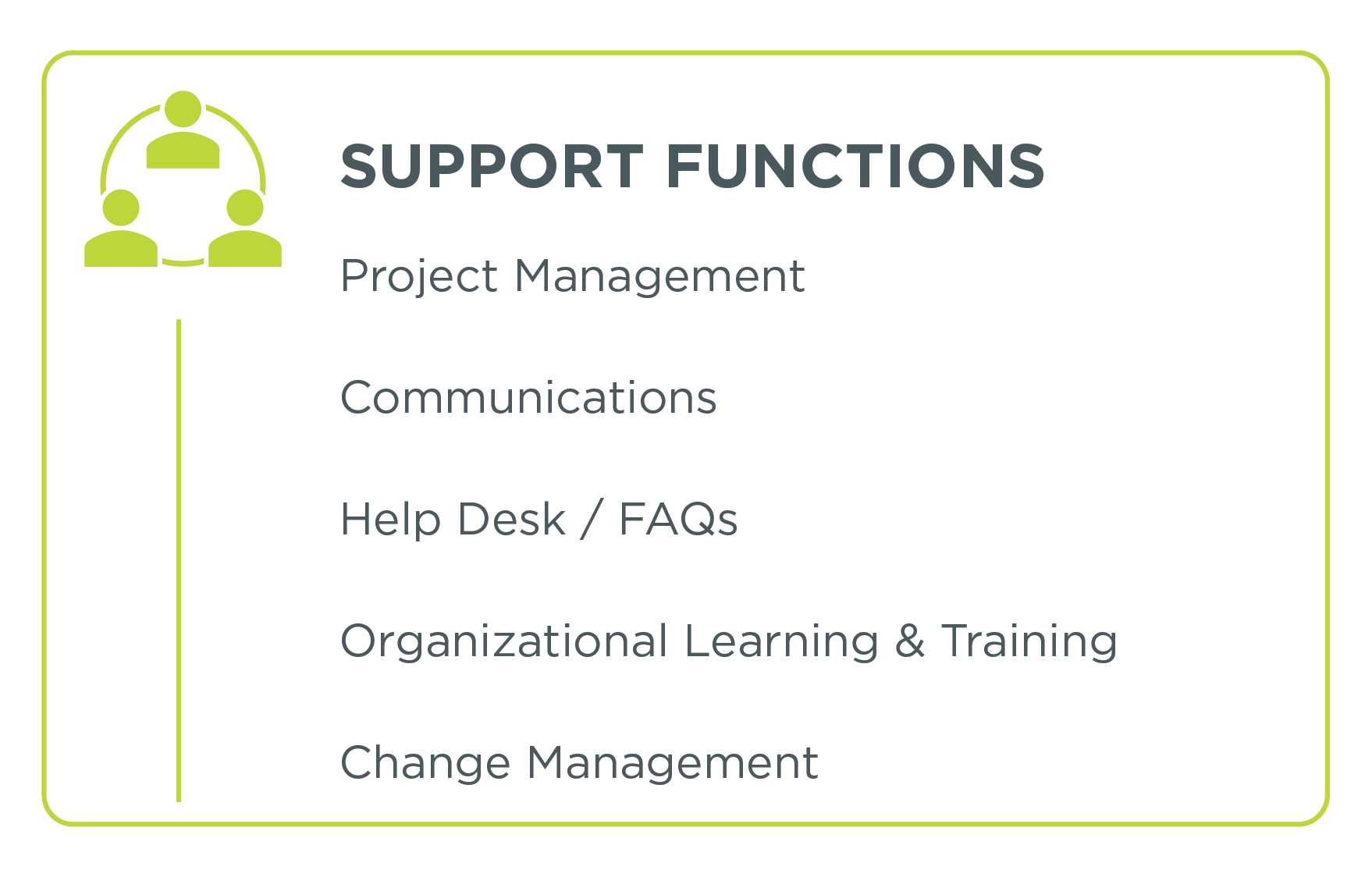
SUPPORT FUNCTIONS

Support Functions are the components necessary to assist in establishing and maintaining an effective IG program within an organization. They facilitate the planning, execution, and adaptation of IG initiatives.


IGIM-Support

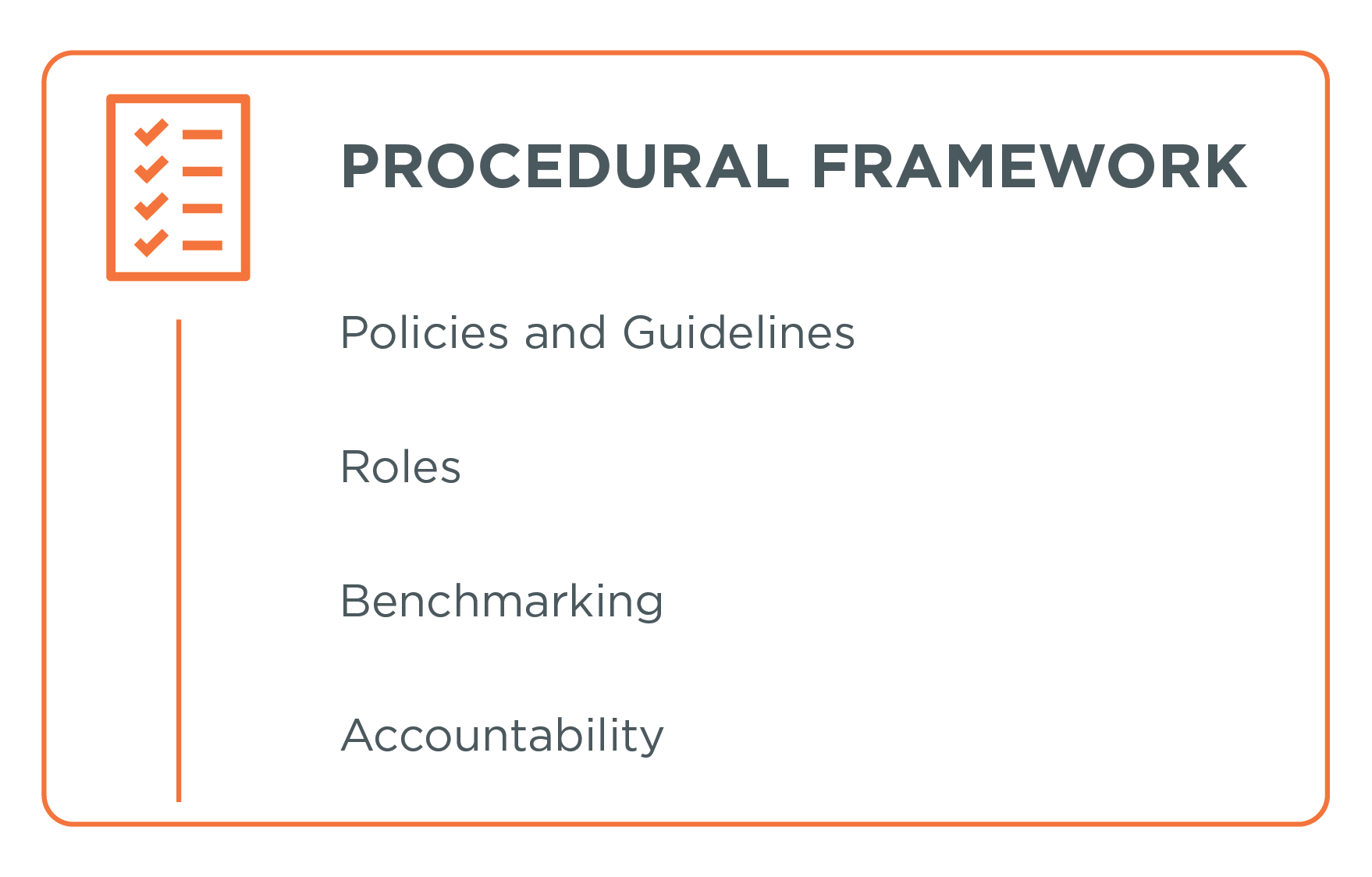
PROCEDURAL FRAMEWORK

The Procedural framework represents the foundation of an organization’s IG program and establishes consistency throughout the program. It provides the structure and guidelines necessary to ensure that information is managed consistently and effectively across the organization.


IGIM-Procedural Framework

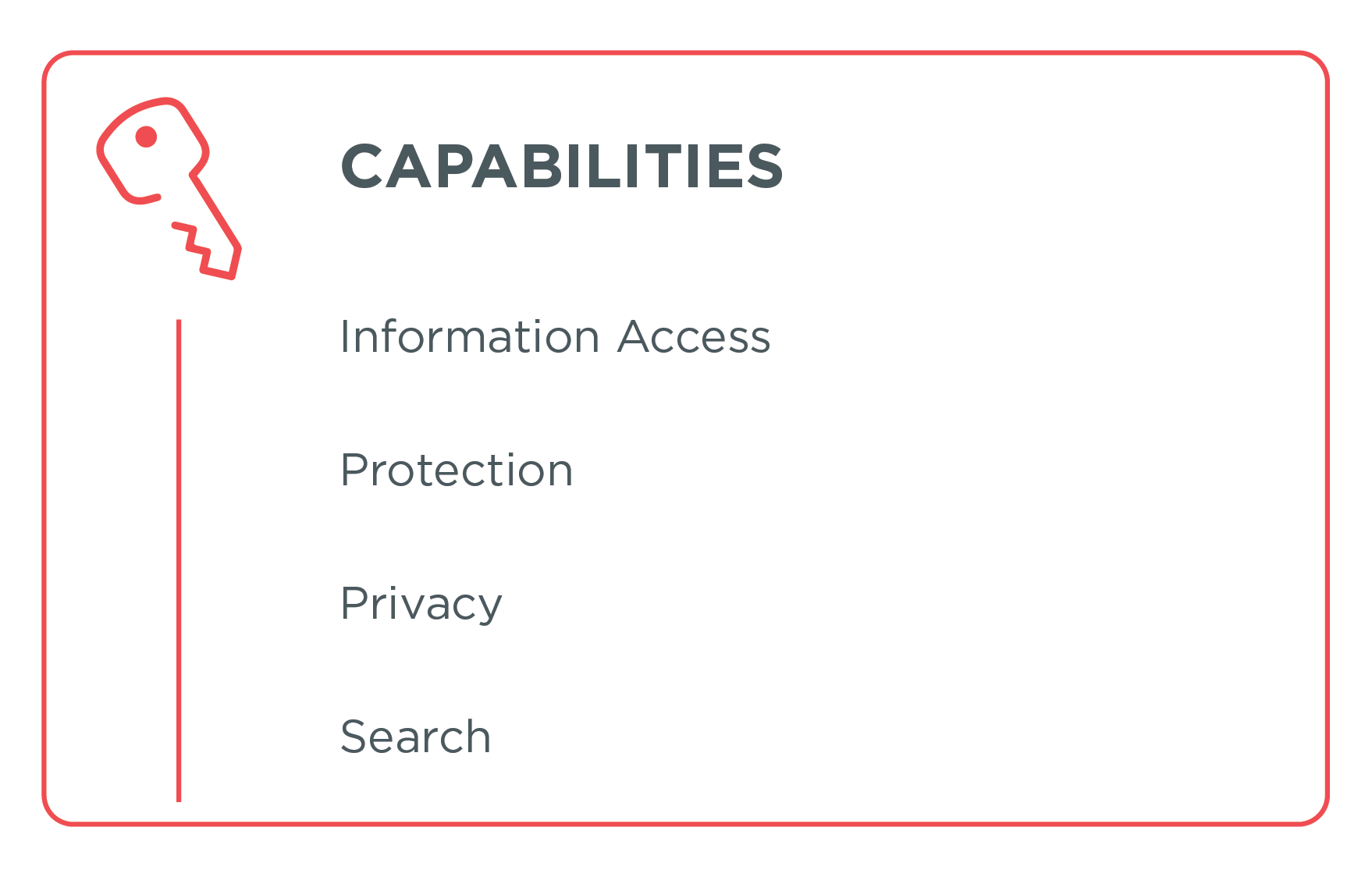
CAPABILITIES

Capabilities are the integral systems and procedures in place that enable the seamless management of information throughout its lifecycle as part of the IG program. Capabilities encompass a range of technologies, processes, and tools designed to guide information from its creation/receipt through to its disposition.


IGIM-Capabilities

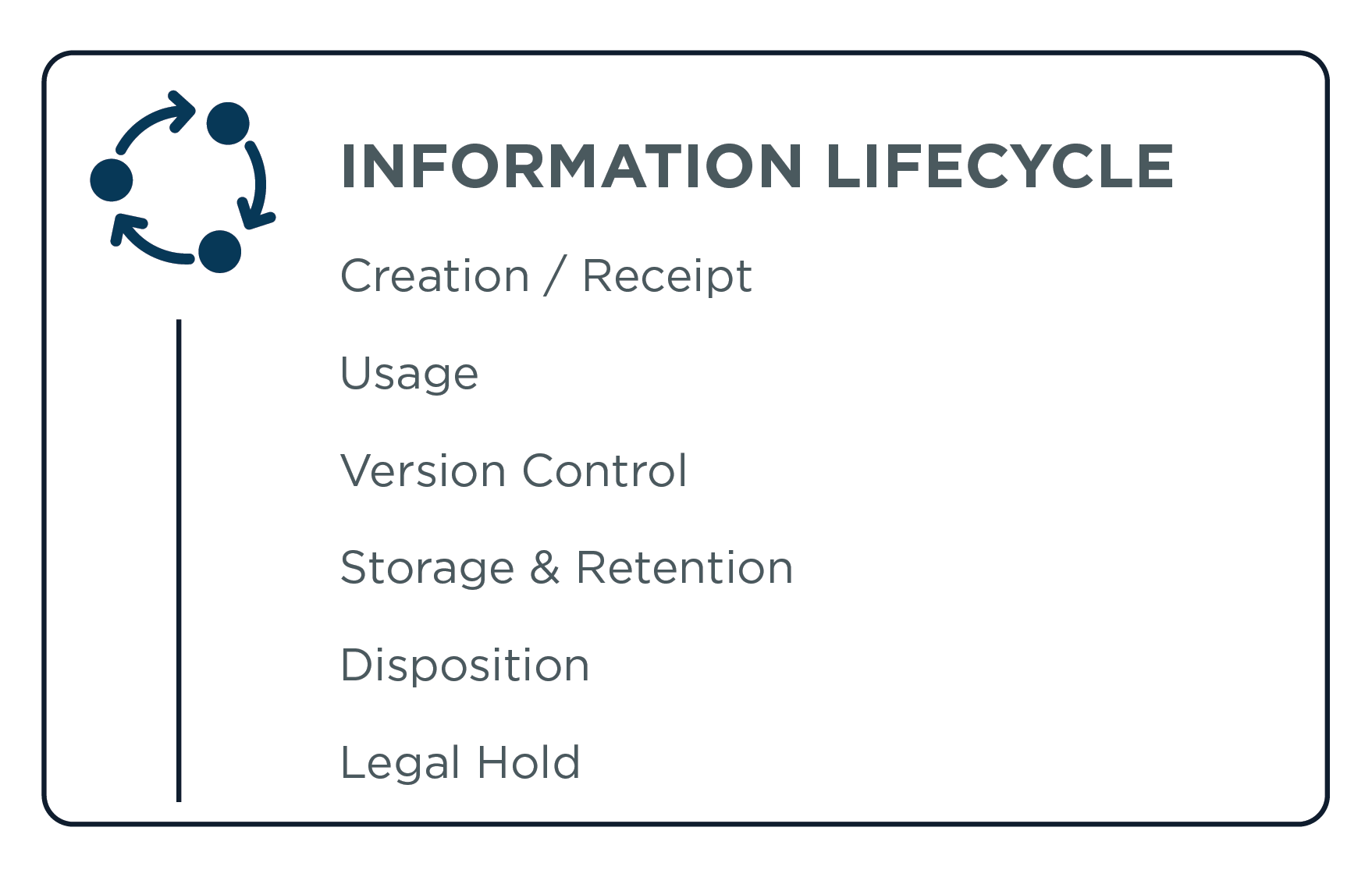
INFORMATION LIFECYCLE

The information lifecycle is a foundational concept that describes the major stages of information and records as they are created, managed, and ultimately disposed of by the organization. Effective lifecycle management supports the authenticity, reliability, integrity, and usability of information for it to serve as a valuable business asset. The stages of the Information Lifecycle are listed below.
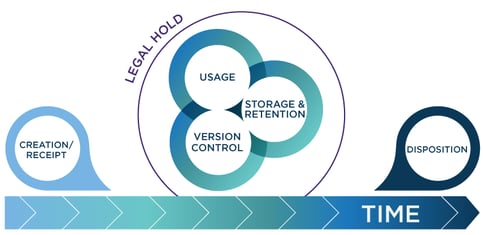
information-lifecycle_graphic


IGIM-Info

ARCHITECTURE

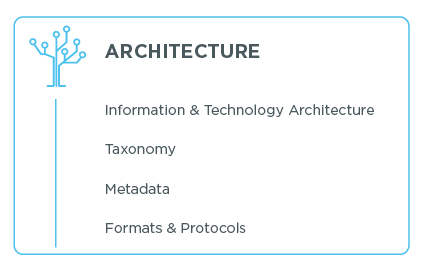
Architecture refers to the technical infrastructure supporting the IG program. It encompasses systems of engagement—platforms that facilitate interaction and data creation—and systems of record, which act as authoritative sources of information.

Architecture

INFRASTRUCTURE

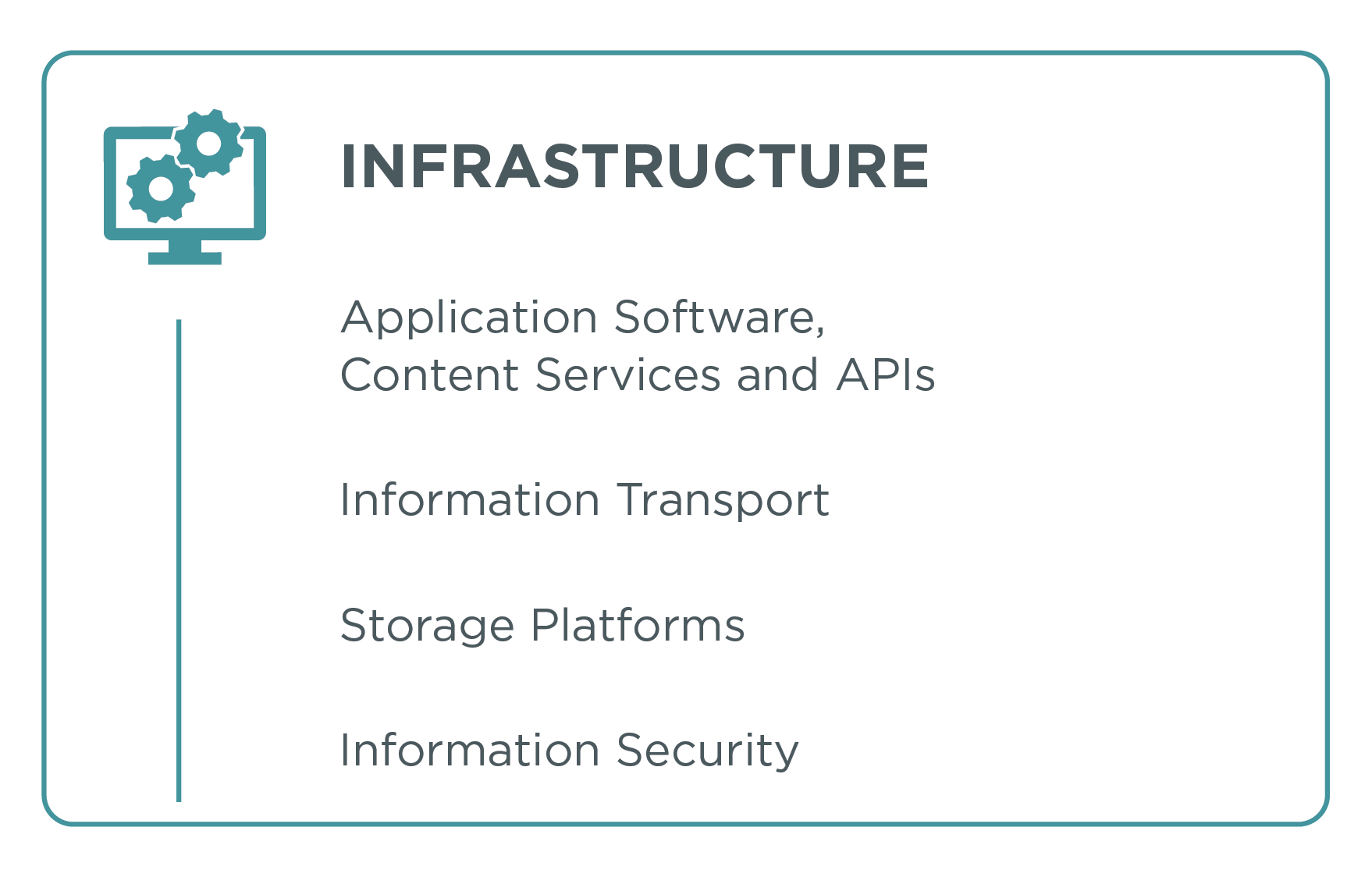
A robust infrastructure includes cloud services, storage solutions, and security measures, supporting the IG program by providing necessary technological and organizational resources aligned with program goals. A well-maintained infrastructure enables the protection and accessibility of information throughout the organization.

IGIM-Infrastructure